Beacon Chat
Chat that never leaves the building — a server on your network, a browser on theirs, nothing stored anywhere else
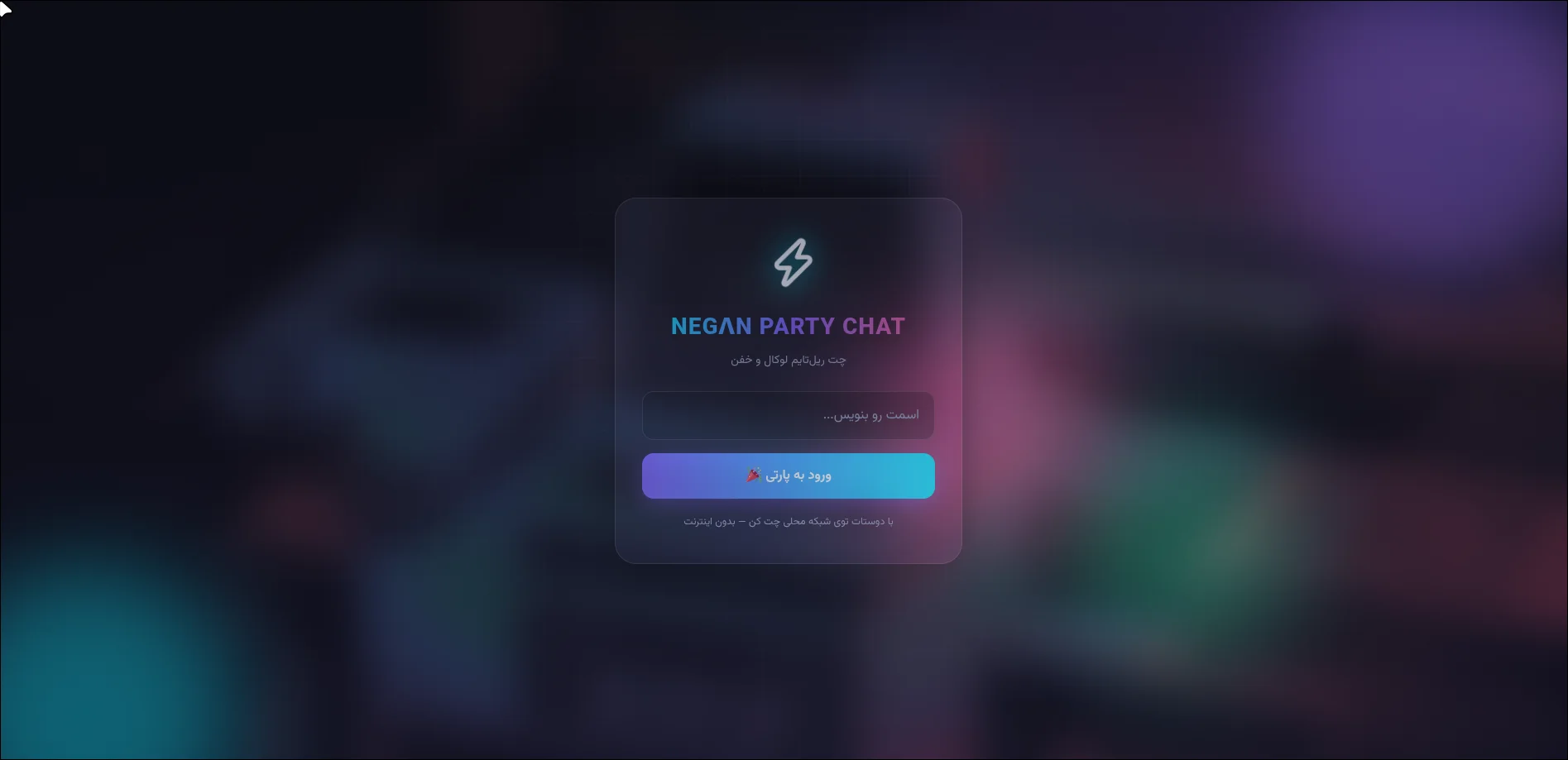
A chat server for a room, a house, or an offline gathering — one machine on the network, everyone else opens a browser.
What it is
There are situations where sending a message through someone else’s servers is the wrong thing. Not illegal, not embarrassing — just wrong for the situation. A workshop in a room with unreliable internet, a family gathering, a place where the group chat should not become a permanent record elsewhere.
Beacon Chat runs on the local network and stops there. Start the server on one machine, everyone on the same Wi-Fi opens the address, and the messages do not leave.
What it does
- Private messages between any two people, which stay private.
- Group rooms you create, add people to, and leave.
- Images, video, audio and files up to 60 MB.
- Persistent history in SQLite, so a restart does not lose the conversation.
- Presence and typing indicators, so people know who is there.
- Editing and deleting your own messages, with admins able to moderate group messages.
- Reconnects on its own when the connection drops, which matters more than it sounds like it should.
- No accounts and no internet. Nothing leaves the network.
The numbers
| 60 MB | maximum upload size |
| 0 | external services, 0 internet required |
| SQLite | full message history on disk |
Why it’s worth a look
Automatic reconnection is the part that took the real work. A chat that silently stops delivering messages is worse than one that visibly disconnected, because people assume they were ignored. Getting the client to notice a dead socket, reconnect, and resume without duplicating or reordering anything is a state machine, and it has to be right in the messy cases — laptop sleeps, phone changes network, server restarts underneath you.
The privacy position is architectural rather than a setting. There is no account system, no password reset, no third-party font CDN, no analytics. A design that has nothing to leak is easier to trust than one with a privacy policy.